If you want a neighborhood with real history, a walkable downtown feel, and easy access to parks and trails, Historic Roswell stands out. You may be drawn to the charm, the architecture, or the energy around Canton Street, but it also helps to know what day-to-day life actually feels like. This guide will show you what to expect in and around Historic Roswell, from lifestyle and housing character to outdoor access and practical tradeoffs. Let’s dive in.
Historic Roswell at a glance
Historic Roswell is the historic core of Roswell in north Fulton County, about 19 miles north of Downtown Atlanta. Roswell was founded in 1839 and officially became a city in 1854, which gives this area a sense of place that feels different from many newer suburban communities.
The broader city had an estimated population of 92,227 as of July 1, 2024. Even with that growth, Historic Roswell keeps a more neighborhood-scale rhythm, especially around its downtown streets, public gathering spaces, and historic landmarks.
Daily life in Historic Roswell
One of the biggest reasons people are drawn to Historic Roswell is the mix of convenience and character. Downtown Roswell centers much of local life around restaurants, annual events, festivals, outdoor concerts, shopping, breweries, recreational activities, and the farmers market.
That means your weekends can feel full without needing to drive far. You can spend a morning browsing local vendors, meet friends for lunch, and then head to a park or trail in the afternoon.
Downtown dining and strolling
The dining scene is broad, which makes the area appealing if you like variety close to home. Downtown options include steakhouses, Southern food, Italian, sushi, Mexican, deli choices, and breweries.
The Canton Street Carry District also adds to the walkable atmosphere. Between 11 a.m. and 11 p.m., visitors can carry purchased drinks in approved paper or plastic cups, which helps create a relaxed, strolling-friendly downtown experience.
Events and gathering spaces
Historic Roswell has a calendar that keeps the area active throughout the year. The Roswell Farmers Market takes place every Saturday from April to November at City Hall and includes local vendors and live music.
Roswell Town Square is another regular hub for concerts, festivals, and community events. If you enjoy living somewhere that feels active and connected, this part of Roswell offers that in a very visible, everyday way.
Parks and outdoor access
Historic Roswell is not just about downtown streets and historic homes. Outdoor access is a major part of the lifestyle, and that is one of the area’s strongest advantages.
Vickery Creek and Old Mill Park
Vickery Creek and Old Mill Park is one of the signature destinations in the area. The park includes a covered bridge, walking trails to the 1850s mill ruins, an overlook for the waterfall, and access to National Park Service trails.
For many buyers, this is the kind of feature that changes how a neighborhood feels. It gives you a scenic place for a walk, a run, or a quiet afternoon, all close to the historic district.
River parks and recreation
Riverside Park and Don White Memorial Park expand those outdoor options even more. These parks offer river access, trails, canoe and kayak launches, picnic and fitness amenities, and space for concerts and community use.
Roswell Area Park adds trails, tennis courts, athletic fields, a pool, and open green space. If you want a neighborhood where it is easy to mix dining, events, and outdoor recreation into the same week, Historic Roswell delivers that balance.
Homes and architectural character
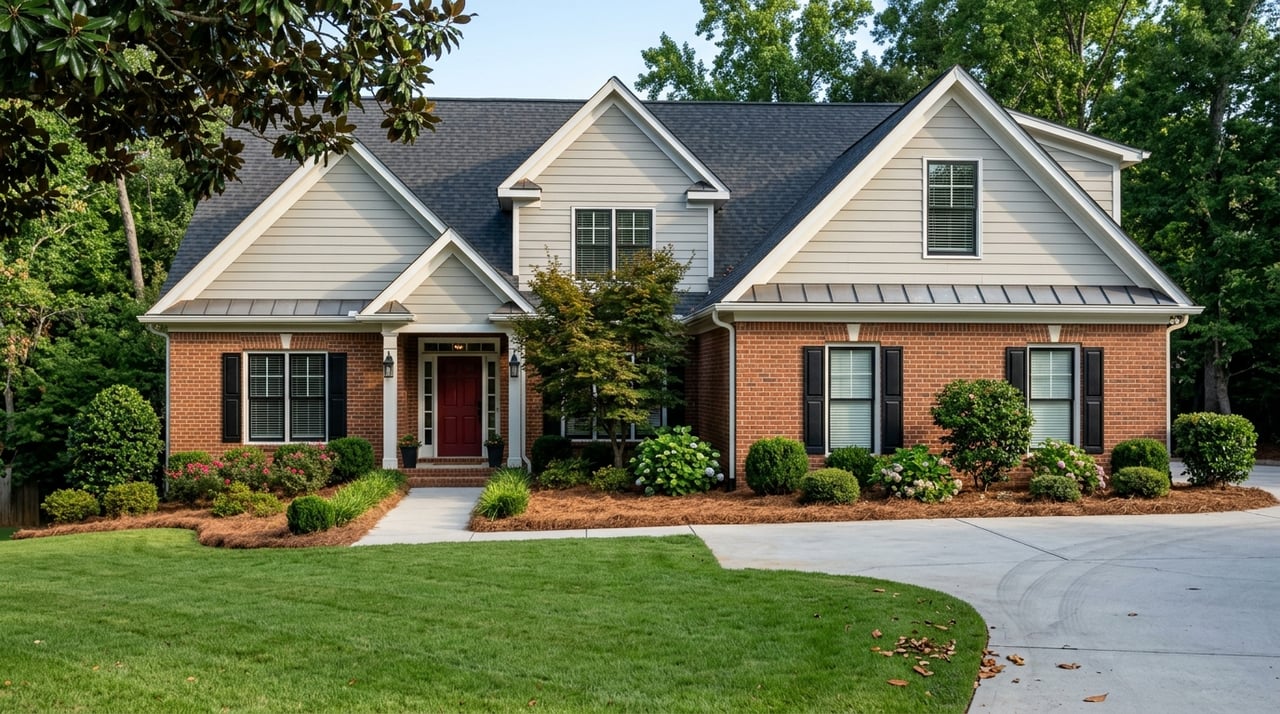
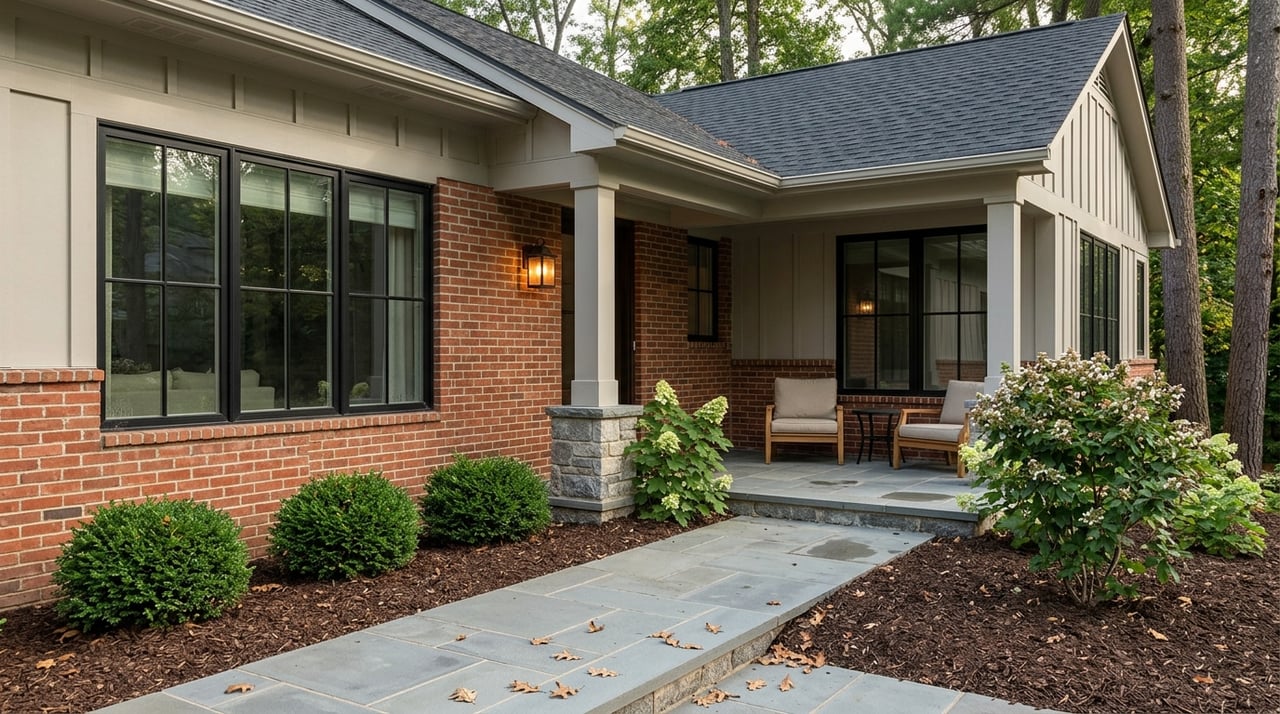
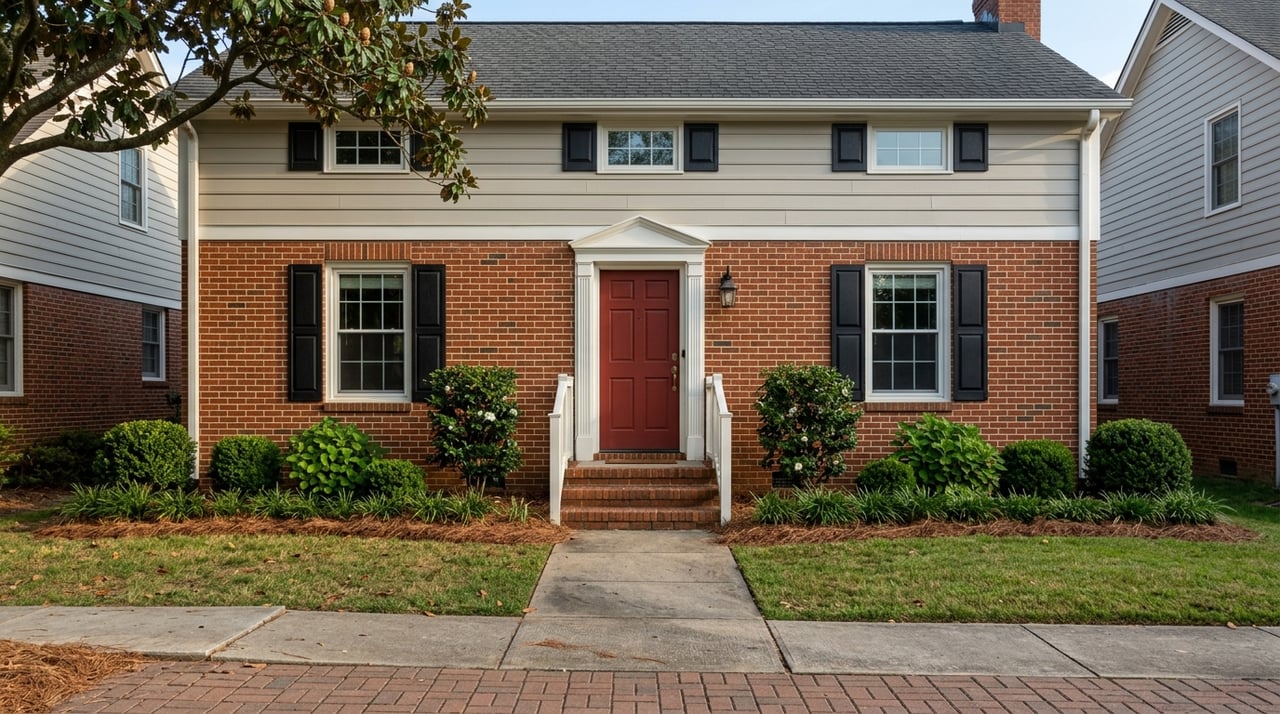
If you are considering a move here, the housing character is likely a big part of the appeal. Historic Roswell offers an architectural setting that feels more layered and established than many suburban areas.
The Roswell Historic District covers 640 acres and is listed on the National Register of Historic Places. That scale matters because it helps preserve a consistent sense of character across a large part of the area.
A strong sense of history
The city’s public historic house museums help define the visual identity of Historic Roswell. Barrington Hall, Bulloch Hall, and Smith Plantation each reflect different architectural and historical layers, and Mimosa Hall adds another important landmark in the district.
You can see that influence in the area’s overall feel. Streetscapes, older homes, and public spaces often reflect a level of detail and maturity that many buyers find hard to duplicate in newer communities.
What preservation means for homeowners
Historic charm often comes with extra responsibility. In Historic Roswell, exterior changes and renovations are generally subject to design review by the city’s Historic Preservation Commission.
For you as a homeowner, that usually means more oversight than you would see in a typical subdivision. If you appreciate preservation, that can be a benefit because it helps protect the district’s historic character. If you prefer complete flexibility with exterior updates, it is something to weigh carefully before you buy.
What the lifestyle feels like
Living in Historic Roswell often means trading cookie-cutter convenience for a more distinctive experience. You get a true downtown identity, access to river parks and trails, and a built-in sense of community activity.
At the same time, you should expect a little more movement and visibility than in a quiet, tucked-away subdivision. Event nights, restaurant traffic, and weekend activity are part of what gives the area its energy.
Walkability with real destinations
Many neighborhoods describe themselves as walkable, but Historic Roswell pairs walkability with places people actually use. Restaurants, gathering spaces, parks, and events are all part of the neighborhood fabric.
That makes it easier to picture a lifestyle here. Instead of driving to create your weekend plans, you may find that many of your favorite options are already nearby.
A busy but local rhythm
What stands out most is the scale. Historic Roswell feels active, but not overwhelming.
You are not living in the middle of a major urban core. Instead, you get a smaller-scale environment where dining, events, and recreation are close together and rooted in a long-established part of the city.
Getting around Historic Roswell
Like many desirable areas, Historic Roswell comes with both convenience and a few practical challenges. Roswell is served by three MARTA bus routes, including Route 85, which runs from the North Springs rail station along Atlanta Street past City Hall and to the SR 400 park-and-ride.
That gives residents another option for connecting to the broader metro area. Still, roads remain a major part of daily travel for most people.
Traffic and key corridors
The city notes that Holcomb Bridge Road is Roswell’s only access point to SR 400 and a major congestion challenge. If your routine depends on commuting through that corridor, you will want to factor traffic into your planning.
This is one of the clearest tradeoffs of the area. The lifestyle appeal is strong, but convenience can vary depending on where you need to go and when you need to be there.
Improvements in progress
The Historic Gateway Project is a major city effort focused on SR 9 and South Atlanta Street. Planned improvements include sidewalks, multi-use paths, crosswalks, roundabouts, and safer traffic flow between the Chattahoochee River and SR 120.
The city also says the project is meant to better connect Historic Square, the river corridor, and the trail system. Over time, that could make the area feel even more connected for both residents and visitors.
Who Historic Roswell may suit best
Historic Roswell can be a great fit if you value character, local gathering places, and a more established setting. It often appeals to buyers who want more than just a house and are looking for a neighborhood with identity.
You may especially enjoy it if you want:
- A true downtown atmosphere with restaurants and events
- Close access to trails, parks, and river recreation
- Historic architecture and a preserved streetscape
- A home in an area with a strong sense of place
It may require more thought if your priorities lean more toward:
- Quick access to major commuter routes at all times
- Fewer event-related parking or traffic impacts
- Maximum freedom for exterior renovation changes
Why buyers look closely here
From a real estate perspective, Historic Roswell offers something that is hard to manufacture. The combination of history, walkability, outdoor access, and a recognizable downtown creates a lifestyle that many buyers actively seek.
Roswell is also a strongly owner-occupied city, with a 71.9% owner-occupied rate and a median owner-occupied home value of $567,100 in the 2020 to 2024 Census estimates. Those numbers help frame the market as established and residential, while Historic Roswell adds a more distinctive layer of charm and preservation.
If you are considering a home in or near Historic Roswell, it helps to look beyond photos and square footage. The best decision usually comes from understanding how the area lives day to day, how preservation affects ownership, and how the location fits your routine and goals.
If you want help comparing homes, evaluating character properties, or understanding how Historic Roswell fits into the broader North Fulton market, Cathy Adams can help you make a confident move.
FAQs
What is Historic Roswell known for?
- Historic Roswell is known for its preserved historic district, walkable downtown area, restaurants, events, farmers market, and access to parks, trails, and the river corridor.
What is daily life like in Historic Roswell?
- Daily life in Historic Roswell often includes a mix of dining, local events, weekend market visits, and outdoor recreation, all in a neighborhood-scale setting with an active downtown feel.
Are there outdoor activities near Historic Roswell?
- Yes. Historic Roswell is close to Vickery Creek and Old Mill Park, Riverside Park, Don White Memorial Park, and Roswell Area Park, which offer trails, river access, picnic areas, sports amenities, and scenic walking spots.
Are homes in Historic Roswell subject to preservation rules?
- Yes. The Roswell Historic District is subject to design review by the city’s Historic Preservation Commission, which generally means more oversight for exterior changes and renovations.
Is Historic Roswell walkable?
- Historic Roswell offers walkability with meaningful destinations, including restaurants, public gathering spaces, parks, and event areas that are part of everyday neighborhood life.
What should buyers consider before moving to Historic Roswell?
- Buyers should consider the area’s historic character, preservation review requirements, event-related activity, parking demand at busy times, and traffic on major corridors such as Holcomb Bridge Road.