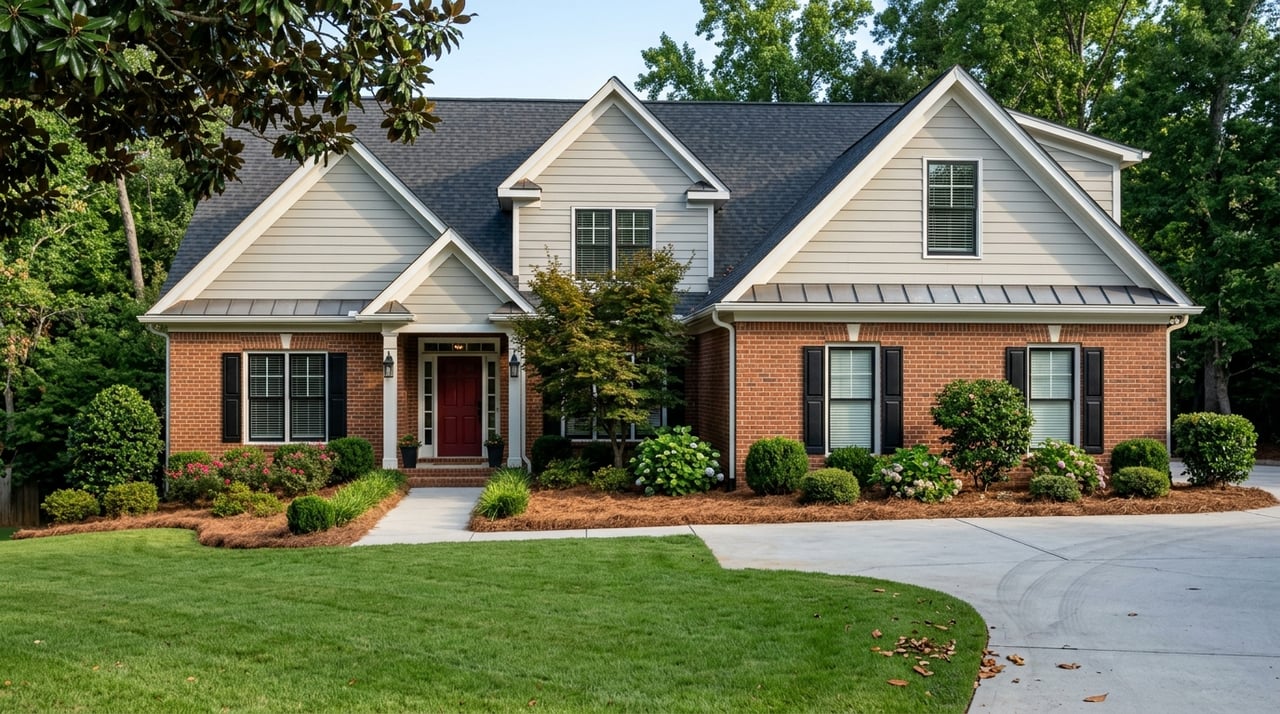
If you are drawn to privacy, open views, and a little more breathing room, Milton estate communities often stand out right away. You may be looking for a home that feels tucked away without giving up access to parks, events, and daily essentials. In this guide, you will get a clear picture of what everyday life in Milton estate communities tends to look like, from the rhythm of errands and commuting to outdoor living and the area’s equestrian character. Let’s dive in.
What Shapes Life in Milton
Milton’s everyday feel starts with its land use. According to the city, more than 90% of the land within city limits is low or very low-density residential. That planning pattern helps explain why so much of Milton feels open, green, and spread out rather than tightly packed.
The city also defines a large lot as 3 acres or more and connects those properties to Milton’s rural landscape, scenic views, and open feel. In practical terms, that often means estate living here comes with more visual space, fewer homes in your immediate line of sight, and a quieter street presence than you might find in a more typical suburban neighborhood.
Milton is also a largely owner-occupied market, with a 72.5% owner-occupancy rate and a median owner-occupied home value of $789,000. That does not define every property or every buyer, but it does help frame Milton as a higher-value residential market where long-term homeownership is common.
Estate Homes Often Feel More Private
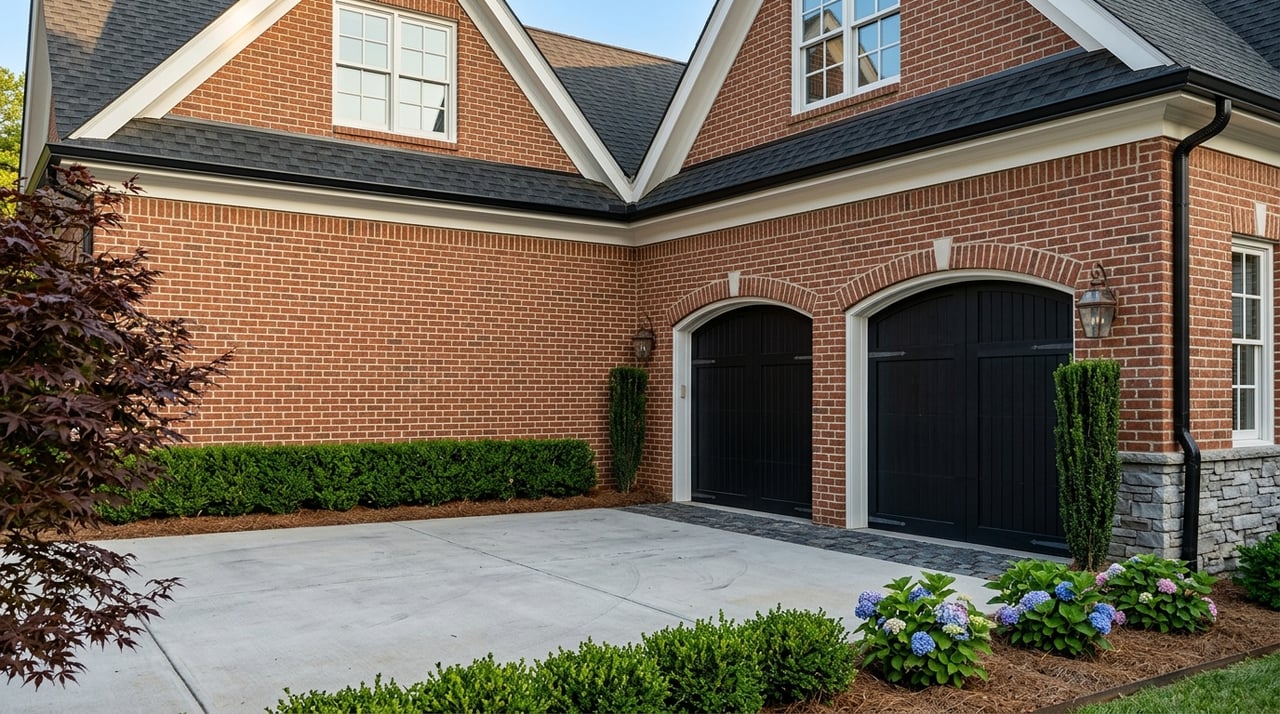
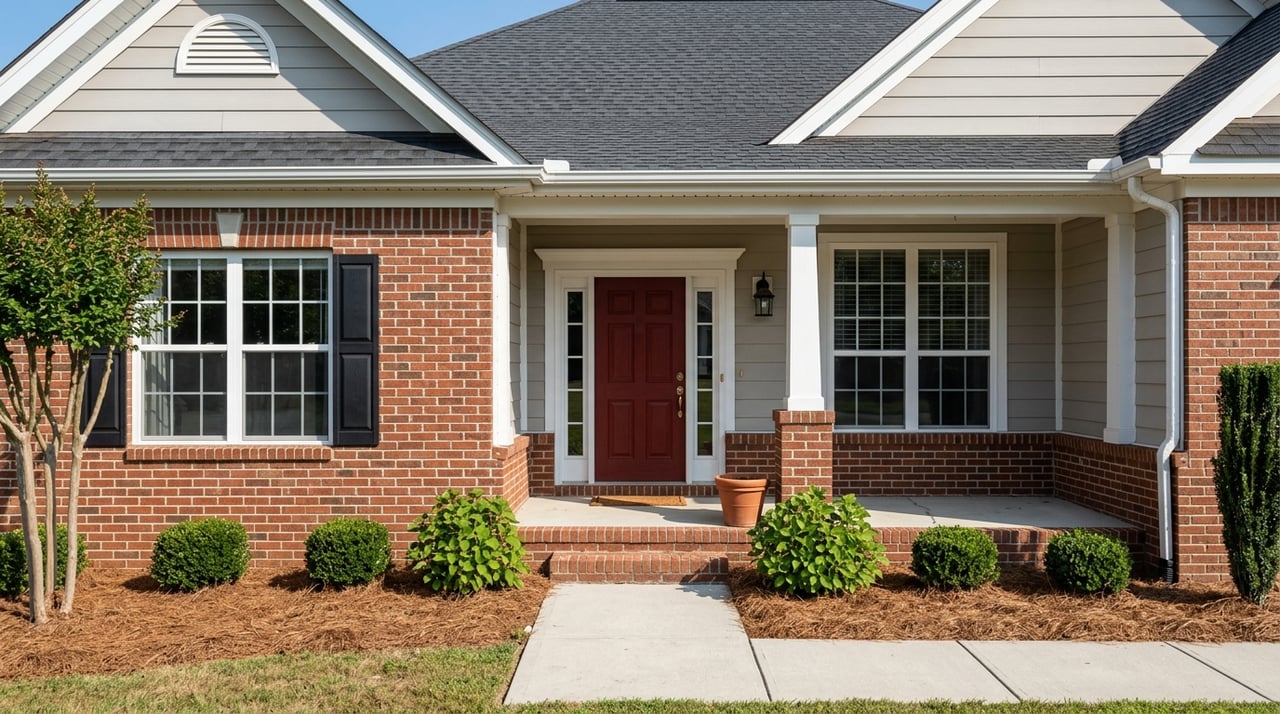
In many Milton estate settings, the visual character is part of the appeal. The city describes large-lot properties with set-back homes, rolling lawns, tree-lined road frontage, and in some cases horses in pasture. That creates a sense of separation and calm that many buyers are specifically searching for.
From the street, daily life can feel less busy and less visually crowded. You may notice longer driveways, deeper setbacks, and more tree cover between homes. That extra spacing can make a neighborhood feel more relaxed, even when you are still within reach of shopping and community hubs.
Not every estate property looks or functions the same way, of course. Still, the city’s current planning efforts show a clear intention to preserve this pattern through features like vegetative buffers, driveway-access flexibility, and easier rebuilding of barns or run-in sheds.
Some Properties Function as Working Land
One detail that sets Milton apart is that some estate properties are more than decorative acreage. The city’s large-lot incentive work suggests that certain parcels continue to support practical uses tied to land stewardship and equestrian living. That can shape the feel of an area in subtle but important ways.
Instead of every large yard being purely ornamental, you may see barns, fenced pasture, or other land-focused improvements on some properties. For buyers who want a home with a stronger connection to land use, that can be a meaningful part of Milton’s appeal.
Milton’s Equestrian Identity Is Real
If you have heard Milton described as an equestrian community, that is not just a branding phrase. The city says Milton has long had a strong equestrian identity, and its 2024 farm census found more than 200 active horse farms around the city. Milton also has a formal Equestrian Committee dedicated to supporting and protecting equestrian interests.
For you as a buyer, that does not mean every estate neighborhood revolves around horses. It does mean equestrian activity is a visible and established part of local life in a way that is unusual for many suburban markets. In the right areas, that identity shows up in the surrounding landscape, property improvements, and community character.
What That Means Day to Day
For some households, equestrian culture is central to how they want to live. For others, it simply adds to the area’s open, rural feel. Either way, it helps explain why many Milton estate communities feel distinct from denser, more uniform suburbs nearby.
You may notice a stronger connection to trails, land conservation, and large parcels with functional outdoor space. Even if you are not looking for a horse property, you may still appreciate the scenic views, lower-density surroundings, and sense of place that come with this part of Milton’s identity.
Outdoor Living Is Part of the Routine
In Milton, outdoor time is not just a weekend extra. The city maintains active parks with fields, playgrounds, trails, picnic areas, and other amenities, along with passive preserves. That gives residents a wide range of ways to enjoy the outdoors beyond their own property lines.
Local facilities such as Bell Memorial Park, Birmingham Park, Mayfield Park, and Milton City Park and Preserve support different kinds of recreation. Depending on where you live and what you enjoy, your routine might include walking trails, sports fields, tennis, pool time, or simple open-air downtime.
The city’s broader trail planning and Adopt-a-Trail program also show that walking and trail use are intentionally built into Milton’s environment. For buyers who want estate living without feeling isolated, that balance can be especially appealing.
Private Clubs Add Another Layer
Some buyers want a more club-oriented lifestyle alongside estate living. In Milton, private golf options such as The Manor Golf & Country Club, White Columns Country Club, and Atlanta National Golf Club add another lifestyle dimension. Their official descriptions highlight golf, dining, fitness, racquet sports, and social programming.
That means your day-to-day options can vary based on the type of community you choose. Some households prefer a more private, land-focused experience, while others want that estate feel paired with organized amenities and social activity.
Errands Happen in Key Milton Hubs
One of the biggest things to understand about everyday life in Milton is that convenience exists, but it is concentrated. Commercial activity is not spread evenly throughout the city. Instead, daily errands and community life tend to cluster in a few important areas.
Crabapple is described by the city as the heart of Milton. It is home to City Hall, the Milton Library, many of the city’s schools, and major community events such as the Farmers Market, Independence Day Parade, and Crabapple Fest, which the city says draws more than 30,000 attendees each year.
Deerfield is Milton’s most heavily commercial district and sits near Windward Parkway and GA 400. It is also the focus of a long-term plan aimed at making the area more walkable and mixed-use, with retail, offices, green space, and connected pathways. Highway 9 is another key corridor and is described by the city as the backbone of Milton’s main commercial area.
What Daily Convenience Feels Like
If you live in an estate community, your home may feel very private, but your errands will likely have a rhythm. You may drive to Crabapple for community events and civic destinations, to Deerfield for a broader commercial mix, or along Highway 9 for everyday needs. That pattern is different from living in a denser area where shops and services are woven into nearly every neighborhood.
For many buyers, this is a worthwhile tradeoff. You get more space and a more open setting at home, while still having recognized destinations for shopping, events, and recreation within the city.
Commuting Is Usually Car-Based
If you are considering a move to Milton, it is important to set clear expectations about transportation. Milton’s planning documents say the city considers drivers, pedestrians, bicycles, public transit, personal transportation vehicles, and horses in its transportation planning. At the same time, the city’s earlier transportation needs assessment noted that most trips would occur in a single-occupant automobile and that transit access was limited relative to auto travel.
Census data place Milton’s mean travel time to work at 28.0 minutes. That figure can vary by destination and schedule, but it reinforces the practical reality that daily life here is usually car-first. Estate living in Milton often means trading walk-everywhere convenience for privacy, larger lots, and a more open residential setting.
Is That a Drawback?
For some buyers, yes. If your ideal lifestyle depends on stepping out your front door and walking to most daily errands, Milton estate living may feel less convenient than a denser suburb. But if your priority is space, quiet, and a property with a stronger sense of retreat, the driving tradeoff may feel well worth it.
This is one of the most important lifestyle questions to think through before you buy. The right fit depends on how you want your mornings, evenings, and weekends to feel.
Who Usually Loves Milton Estate Living
Milton estate communities tend to appeal to buyers who want room to spread out and a setting that feels more private than conventional suburbia. You may be looking for larger outdoor spaces, a stronger connection to nature, or a home environment that feels more tucked away from the pace of nearby commercial corridors.
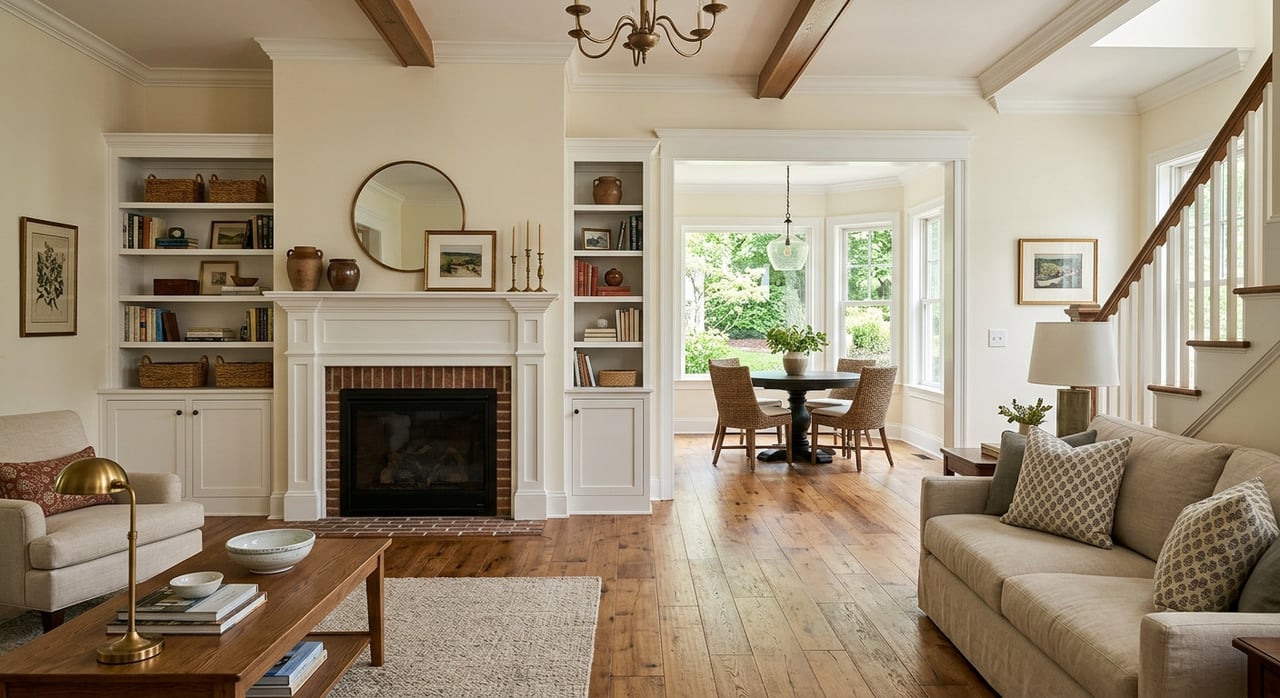
This kind of setting can also appeal if you value outdoor recreation, enjoy a design-forward home with land to match, or want a property with long-term lifestyle flexibility. Some buyers are drawn to the equestrian backdrop, while others simply love the open views, mature trees, and sense of calm.
At the same time, the best move is one that matches your real daily habits. A beautiful estate property can be a wonderful fit if you are comfortable with driving more often and you genuinely want the tradeoffs that come with low-density living.
How to Think About the Right Fit
When you tour Milton estate communities, it helps to look beyond square footage and finishes. Pay attention to how the property sits on the land, how much privacy you actually feel from the road, and how easily you can reach the destinations you use most often. The details of location within Milton can shape your daily experience just as much as the home itself.
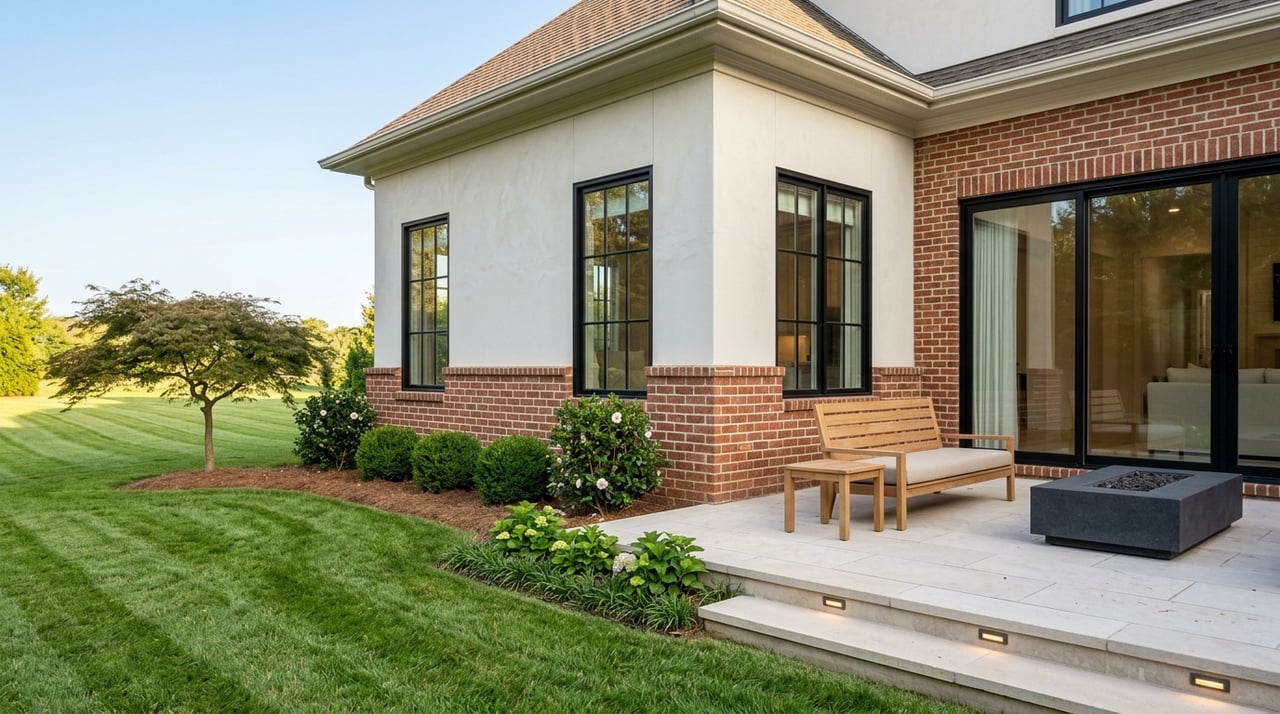
It is also smart to think about how you want to use the outdoor space. Some buyers want a polished, low-key estate setting, while others want more functional land, room for recreation, or features that support a more active outdoor lifestyle. The right property should support the way you want to live, not just look impressive in photos.
If you are exploring Milton estate communities and want guidance that blends neighborhood insight with a practical eye for property quality and presentation, Cathy Adams can help you evaluate your options with confidence.
FAQs
What is everyday life like in Milton estate communities?
- Everyday life in Milton estate communities often feels private, spacious, and outdoor-oriented, with larger lots, more tree cover, and daily routines that usually involve driving to key hubs like Crabapple, Deerfield, and Highway 9.
Are Milton estate communities mostly large-lot neighborhoods?
- In many parts of Milton, yes. The city says more than 90% of land is low or very low-density residential, and it defines a large lot as 3 acres or more.
Is Milton, Georgia really an equestrian community?
- Yes. The city says Milton has a strong equestrian identity, and its 2024 farm census found more than 200 active horse farms around the city.
Do you need a car to live in Milton, GA?
- Usually, yes. Milton’s planning documents and commute data point to a car-based lifestyle, with most trips occurring by automobile and transit access more limited than auto travel.
Are there things to do in Milton besides private clubs?
- Yes. Milton offers parks, trails, preserves, community events, and civic destinations, with Crabapple serving as a major center for city life and gatherings.
Where do most errands happen in Milton?
- Everyday convenience in Milton is concentrated mainly in Crabapple, Deerfield, and along Highway 9, rather than being spread evenly across the city.