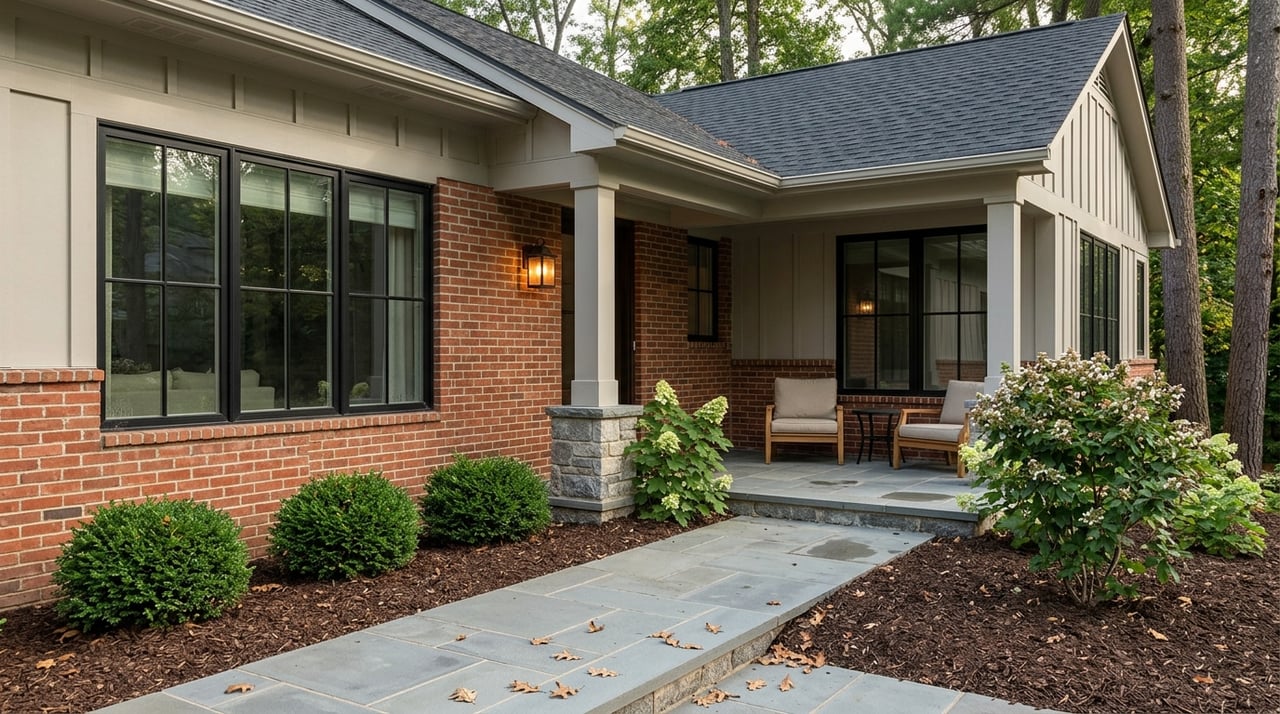
Dreaming about a mountain home that feels relaxing, not like a second job? In Cashiers, that goal starts with smart design choices long before you pick paint colors or porch furniture. If you want a Highlands-Cashiers retreat that looks beautiful and asks less of you year-round, the right plan, materials, and site strategy matter. Let’s dive in.
Why low maintenance matters in Cashiers
Cashiers sits at about 3,487 feet in southern Jackson County, and Jackson County describes it as a seasonal destination where the summer population can rise from roughly 1,700 to more than 10,000. That seasonal rhythm can make simple ownership a real advantage, especially if you use the home part-time.
The climate also shapes what “easy living” really means here. Nearby Highlands climate normals show an annual mean temperature of 50.9°F, annual precipitation of 88.28 inches, and annual snowfall of 10.2 inches. In practical terms, your home needs to handle damp air, frequent rain, and occasional winter weather without constant upkeep.
That is why low maintenance design in Cashiers is not about cutting corners. It is about making thoughtful decisions that protect the home, simplify ownership, and help your retreat stay comfortable over time.
Start with the site first
In the Highlands-Cashiers area, the lot often tells you what the house should be. USDA information on the Cashiers soil series notes well-drained soils, but also commonly steep slopes ranging from 30% to 80%, with runoff that increases on steeper ground. That means drainage, grading, and erosion control should be part of the earliest planning, not an afterthought.
On wooded or sloped sites, preserving the natural character of the land can also reduce future headaches. Disturbed slopes are more vulnerable to runoff issues, while forest litter and existing ground cover help slow water movement. A home that fits the lot usually performs better than one that forces the lot to fit the house.
For buyers evaluating land or older homes for renovation, this is where a technical eye matters. A beautiful setting is only part of the picture. You also want to understand how water moves across the property, where outdoor living areas can realistically go, and how site conditions may influence cost and maintenance.
Site planning priorities
- Study drainage patterns before finalizing the footprint
- Coordinate grading and erosion control early
- Preserve tree cover where practical on sloped lots
- Limit large, high-input lawn areas on hillsides
- Plan access, parking, and exterior circulation with the slope in mind
Choose a simpler floor plan
A low-maintenance retreat often starts with a plan that is easy to live in. Universal-design guidance highlighted by AARP includes step-free access, a bedroom, kitchen, full bath, and laundry on one level, along with curb-less showers and wider hallways and doorways. NC State defines universal design as design usable by all people to the greatest extent possible without specialized adaptation.
For a second home, those ideas make a lot of sense. A main-level primary suite, fewer stairs, and a more intuitive layout can make the home easier to use now and easier to maintain over time. Fewer level changes and fewer complicated transitions also mean fewer places where wear, cleaning, and repairs tend to build up.
A compact plan does not have to feel small. In fact, a well-organized layout often lives better than a fragmented house full of niche spaces. When every room has a purpose and the circulation is simple, the home feels calmer and ownership feels easier.
Features that support easier living
- Step-free entry where site conditions allow
- Main-level primary bedroom and full bath
- Main-level laundry
- Wide hallways and doorways
- Curb-less or easy-entry shower design
- Fewer small hallways, split levels, and isolated bonus spaces
Make moisture control a design priority
In Cashiers, moisture management should shape the design from day one. EPA guidance says indoor humidity should stay below 60%, ideally between 30% and 50%. EPA also recommends exhausting bathrooms, dryers, and other moisture sources to the outside, while NC State points to leaks, clogged gutters, poor drainage, and poorly maintained HVAC systems as common sources of moisture trouble.
That means the best low-maintenance homes here are designed to control water both outside and inside. Sealed air leaks, sealed duct leaks, crawl space vapor barriers, better circulation, and thoughtful ventilation all support a drier, more durable house. These are not glamorous choices, but they can protect finishes, improve comfort, and reduce the chance of bigger repairs later.
Window and flooring choices matter too. EPA notes that efficient windows may be less prone to condensation and that flooring near water sources should resist water and keep moisture from reaching the subfloor. In a mountain retreat, durability should lead the conversation.
Smart material choices for damp conditions
- Hard-surface flooring in kitchens, baths, entries, and mudrooms
- Windows selected with condensation resistance in mind
- Exterior venting for baths and dryers
- Insulation details that help reduce condensation
- Crawl space moisture protection where applicable
- Gutters and drainage systems designed for regular rainfall
Pick exterior materials that ask less of you
The outside of a mountain home takes the biggest weather hit, so material selection matters. For decks and porches, capped composite decking can be a practical choice because it is designed to be low maintenance, moisture resistant, and does not require sanding, staining, or sealing.
Roofing deserves just as much attention. The Metal Roofing Alliance says many metal roofing systems are engineered for heavy snow loads and encourage snow shedding, which can help reduce winter roof issues. In a climate with frequent precipitation and some snowfall, that can support a more durable exterior envelope.
This is where design and practicality should work together. The prettiest material is not always the best long-term fit for a part-time mountain home. Choosing finishes that weather well can help you spend more time enjoying the property and less time managing upkeep.
Design outdoor spaces for real mountain weather
Outdoor living is a major part of the Highlands-Cashiers lifestyle, but the climate calls for realism. With roughly 88 inches of annual precipitation nearby, covered or screened porches are often the smarter choice than fully exposed decks alone. They extend your outdoor use while helping shield furnishings and finishes from rain, damp air, and leaf litter.
That does not mean you have to give up open-air space. It simply means your outdoor rooms should reflect how the site and climate actually function. A layered approach often works best, with one protected porch or screened area serving as the everyday living zone and smaller open areas used more selectively.
For second-home buyers, this kind of planning can also reduce the stress of arriving after weeks away. Protected outdoor areas generally hold up better between visits, especially in a place with frequent moisture.
Outdoor features worth considering
- Covered porch for everyday use
- Screened porch for added protection from damp conditions
- Durable, easy-care decking materials
- Entry areas that help contain mud, leaves, and moisture
- Simple exterior stairs and paths that fit the terrain
Keep landscaping natural and manageable
A low-maintenance retreat should work with the mountain landscape, not fight it. NC State Extension recommends starting with a site analysis that looks at soil texture, drainage, pH, sun and shade, and growing space. The same guidance notes that native plants can create healthy, sustainable, low-maintenance landscapes when matched to the site.
That is especially important on sloped or wooded parcels. Henderson County Extension says mountain slopes are naturally held together by native plants and leaf litter, and it recommends mixed native plantings, mulch, and boulders rather than oversimplified ground-cover solutions. USDA soil guidance also notes that runoff is much lower where forest litter remains undisturbed or only partially disturbed.
The practical takeaway is simple. Smaller turf areas, preserved tree cover, and native plantings matched to actual site conditions can look more natural and often require less ongoing work than trying to create a traditional lawn-heavy landscape.
Landscape choices that reduce upkeep
- Begin with a true site analysis before planting
- Use native plants suited to the lot’s sun, shade, and moisture conditions
- Preserve existing tree cover where possible
- Reduce large lawn areas on slopes
- Use mulch and boulders to support hillside stability
- Avoid invasive plants such as English ivy, privet, wisteria, and Japanese honeysuckle
Coordinate permits and planning early
In Jackson County, design decisions and permit requirements are closely connected. The county says a building permit is generally required for construction, installation, repair, replacement, or alteration over $20,000 in a single-family residence, and decks, carports, and garages of any size are specifically listed as permit-requiring work.
The county’s Environmental Health office also handles septic and well permits. Its guidance states that sewage system construction authorization is required before installation and before obtaining a building permit, while well permits are required before construction, repair, or abandonment of a well. Jackson County also notes that changes after permit issuance can render a permit invalid.
For you, that means porch, deck, grading, septic, well, and drainage decisions should be coordinated early with the site plan. On a mountain lot, those details can shape where the house sits, how the driveway works, and what type of outdoor living is realistic.
A smart retreat is easier to enjoy
The best low-maintenance Highlands-Cashiers homes are not just attractive. They are well-matched to the land, the climate, and the way you actually live. When the floor plan is simple, the materials are durable, the moisture strategy is strong, and the landscape respects the site, ownership tends to feel easier.
If you are buying, building, or evaluating a mountain property in Cashiers, it helps to have guidance that blends design sense with technical awareness. That is where a builder-minded, design-forward perspective can make a real difference in spotting opportunities and avoiding costly missteps.
If you’re thinking about a mountain retreat that is beautiful, practical, and easier to maintain, Cathy Adams can help you evaluate properties with both design and long-term livability in mind.
FAQs
What makes a home low maintenance in Cashiers, NC?
- A low-maintenance home in Cashiers is usually designed around moisture control, durable materials, a simpler floor plan, and landscaping that fits the mountain site rather than fighting it.
Why is moisture control important for a Cashiers retreat?
- Moisture control matters in Cashiers because nearby Highlands climate normals show 88.28 inches of annual precipitation, and both EPA and NC State guidance note that humidity, leaks, drainage issues, and poor ventilation can lead to ongoing problems.
What floor plan works best for a second home in Highlands-Cashiers?
- A plan with step-free access, a main-level bedroom and full bath, main-level laundry, and fewer stairs is often easier to use and maintain over time.
Are covered porches better than open decks in Cashiers?
- Covered or screened porches are often a practical choice in Cashiers because they can extend outdoor use while protecting furnishings and finishes from rain, damp air, and leaf litter.
What landscaping is easiest to maintain on a mountain lot?
- Native plants matched to the site, smaller lawn areas, preserved tree cover, mulch, and boulders are often easier to maintain than turf-heavy or highly altered landscapes on slopes.
Do I need permits for decks or site work in Jackson County, NC?
- Jackson County says decks, carports, and garages of any size require permits, and septic, well, grading, and drainage-related decisions should be coordinated early because they can affect site planning and permit approvals.