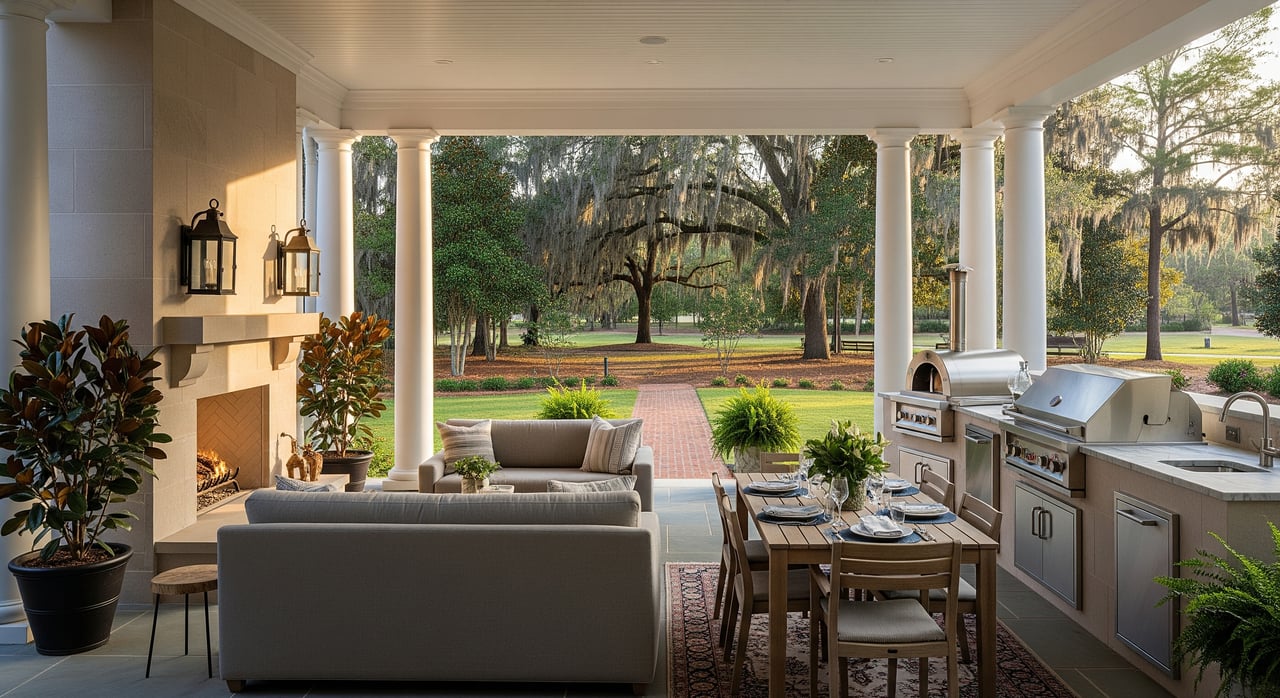
Want your Roswell home to stop buyers mid‑scroll this spring? In The Park at Historic Roswell, outdoor living spaces often make the difference between a quick showing request and a pass. Buyers here love charming, usable porches and well-scaled patios that feel like natural extensions of historic homes. In this guide, you’ll learn which upgrades photograph best, how to choose durable materials for our warm, humid climate, what to know about permitting and historic review, and how to stage for maximum impact. Let’s dive in.
Why outdoor spaces sell in Roswell
Roswell’s mild winters and long, warm seasons make outdoor rooms usable much of the year. Covered seating areas, shade structures, ceiling fans, and weather‑resistant finishes help extend the season and lower upkeep, which buyers appreciate. These features not only live well, they also create emotional pull in photos that suggest extra living area.
In The Park at Historic Roswell, many buyers are drawn to character and craftsmanship. They respond to upgrades that respect the home’s scale and style. Thoughtful additions that blend with the architecture show better than oversized, ultra‑modern installations that feel out of place.
High‑impact upgrades for The Park
Curb appeal and landscaping
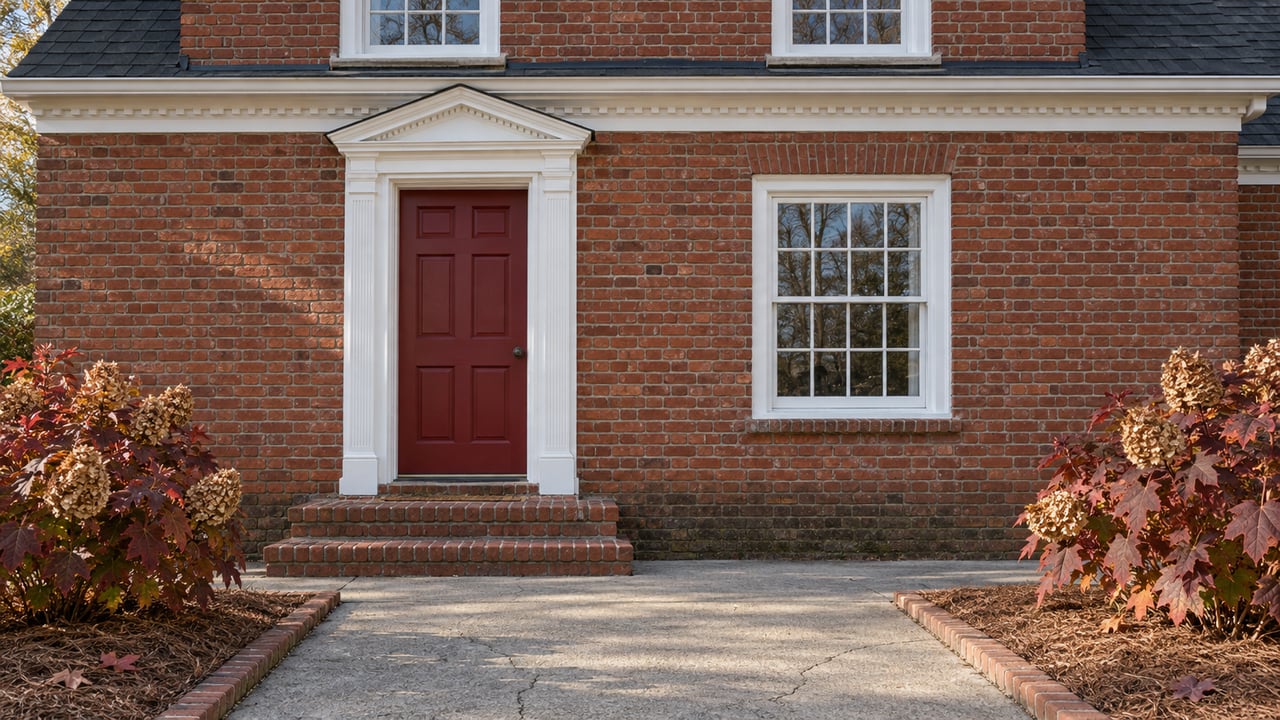
First impressions start at the sidewalk. Fresh mulch, pruned shrubs, a well-defined path, and clean porch floors read as well maintained and move‑in ready. A few containers with seasonal color at the entry photograph beautifully.
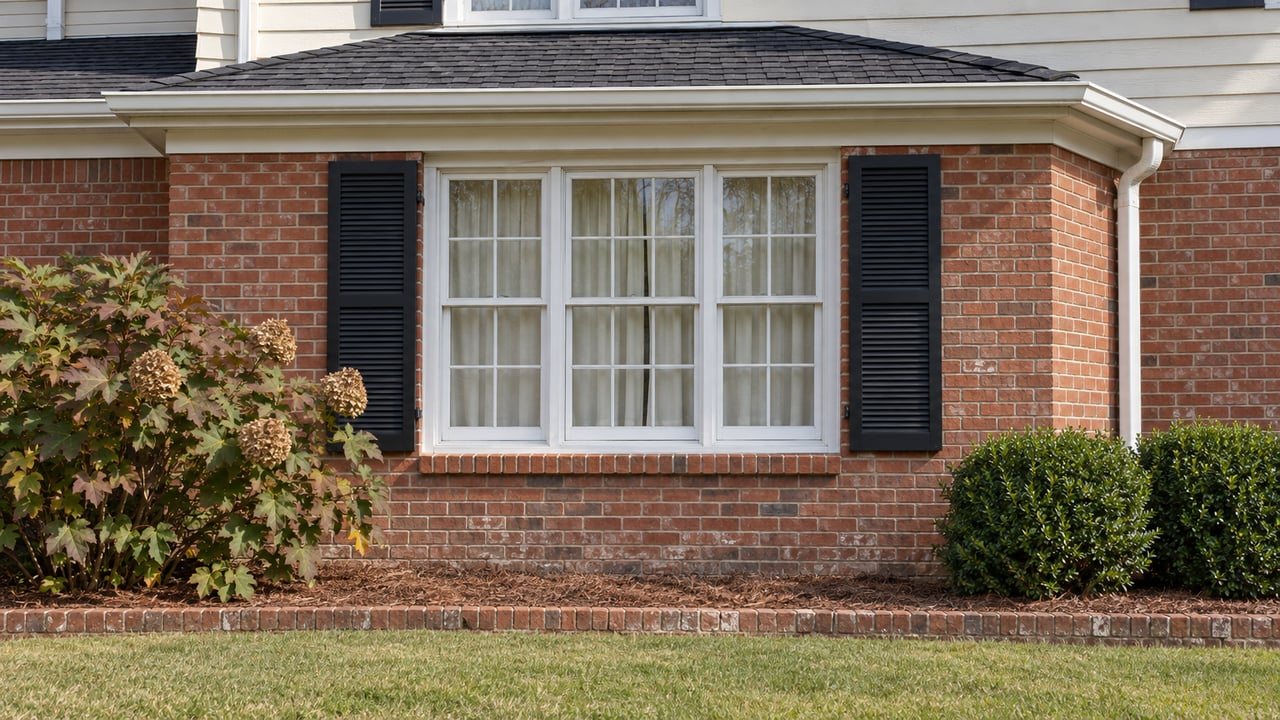
Choose low‑maintenance, region‑adapted plants and keep turf areas manageable. Mulched beds, drip irrigation, and simple edging reduce upkeep and look crisp in photos. For historic sensitivity, consider brick or bluestone for paths to complement older facades.
Covered porches that wow
Buyers love covered porches because they live like an extra room. Repair or refinish porch floors and rails, repaint with period‑appropriate colors, and add a ceiling fan for comfort. Period‑inspired sconces or pendants create warm evening photos and a welcoming feel.
Keep furnishings scaled to the space: a small seating group, a classic outdoor rug, and a few planters. Focus on clean lines and symmetry so the porch reads as intentional and calm.
Decks and patios that fit
In our humid climate, materials matter. Composite decking and certain stone pavers resist rot and staining and require less maintenance than many woods. If you love wood, choose a finish designed for moisture and UV exposure and plan for routine care.
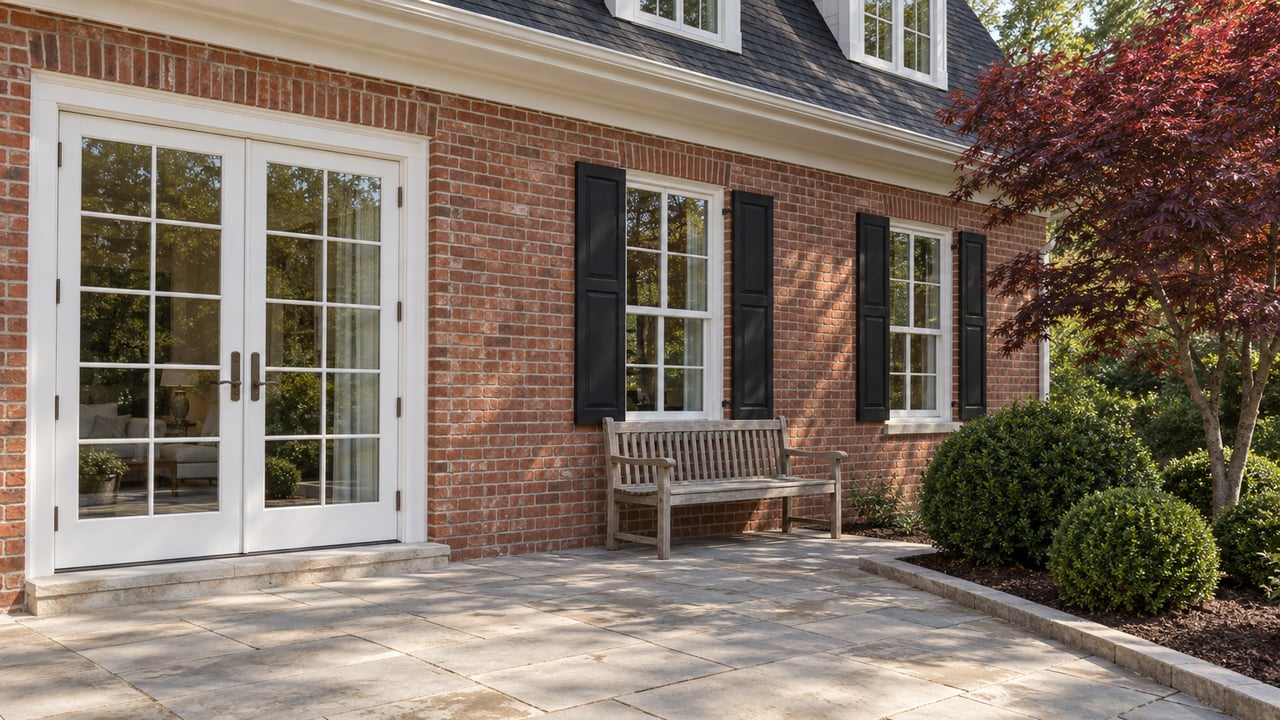
Scale is key in a historic neighborhood. A compact, well‑furnished seating or dining zone often looks better than a sprawling platform. Add container plants and discreet step lighting to frame the space for photography.
Grilling stations buyers want
A modest built‑in grilling station next to the porch or patio offers strong appeal without the cost of a full outdoor kitchen. A stainless grill set into stone or brick with a small counter keeps things tidy for photos and practical for everyday use.
Keep layouts simple to avoid a fussy, high‑maintenance vibe. Large, luxury outdoor kitchens can be expensive and may not resonate with every buyer, while compact stations usually hit the sweet spot for resale.
Fire features that impress
Fire features extend usability into cooler months and create a great focal point for twilight photos. Options include portable or built‑in gas fire pits, wood‑burning pits, or a masonry fireplace.
Consider safety, local code, and neighbor impact. Gas‑fueled features are easy to operate for showings and provide consistent ambiance in photos. Match stone or brick to existing materials for a cohesive, historic look.
Lighting and privacy
Layered lighting makes spaces feel safe, polished, and photo‑ready. Use a mix of path lights, step lights, uplights for trees, and porch fixtures. Warm LED bulbs add welcome without harsh glare.
For privacy, use understated solutions that soften views without feeling closed in. Lattice with vines, living fences, or evergreen groupings provide screening and a lush backdrop for seating areas.
Design and material picks
Thoughtful materials help your upgrades last and look right for the home.
- Decking: Composites signal low maintenance and handle humidity well. Natural wood has classic charm but needs more care. Choose board widths and colors that suit your home’s style.
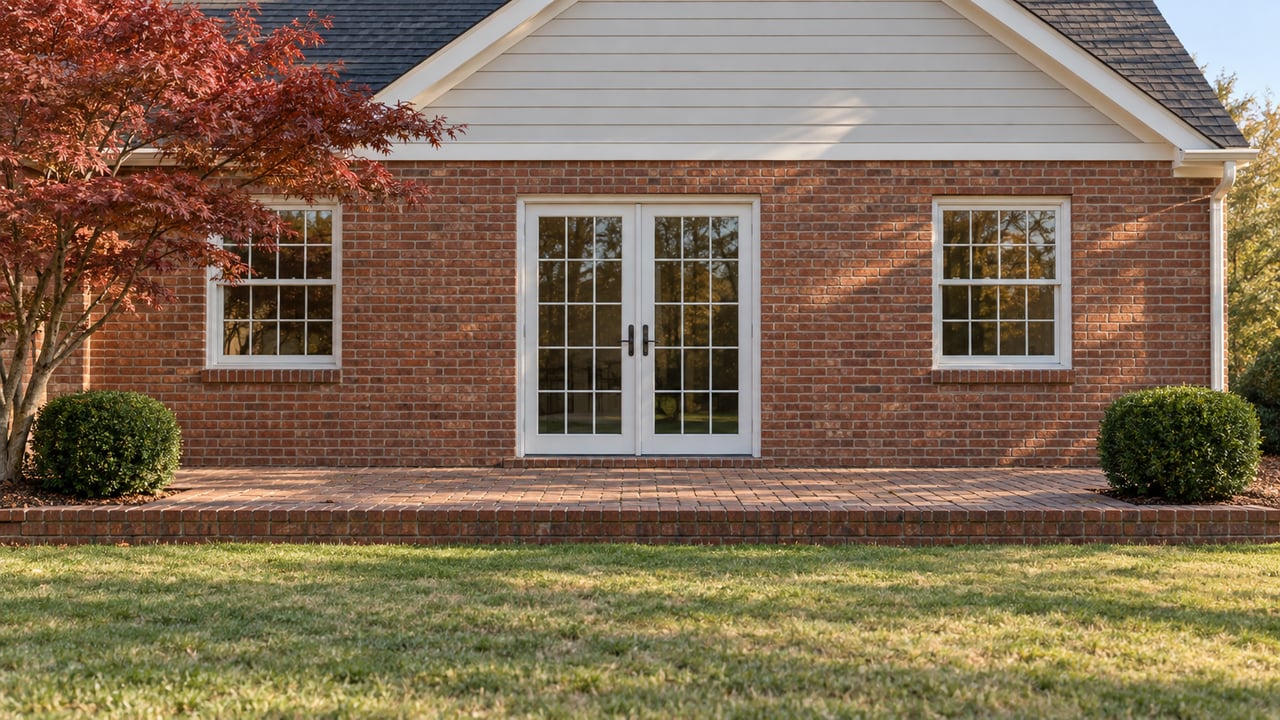
- Hardscape: Brick, bluestone, or quality pavers usually complement historic facades better than plain concrete. Select patterns that harmonize with existing masonry.
- Porch elements: Maintain original proportions and rail profiles where possible. When replacing, choose materials and details that are sympathetic to the home’s age and character.
- Counters and appliances: In grilling areas, stone‑look surfaces like granite or quartz photograph cleanly and wear well. Stainless appliances are expected, but avoid an overly commercial look unless the home can support it.
For year‑round appeal, mix evergreen structure with region‑adapted perennials. Group plants to minimize weeding, keep mulch consistent, and consider a one‑time professional refresh if you are tight on time before listing.
Permits and historic review
Before you finalize plans, confirm your requirements. Homes in or near historic districts often need review for visible exterior changes.
- Contact the City of Roswell historic preservation office to ask about reviews for porches, pergolas, or hardscape visible from the street.
- Verify building permits for decks, porches, structural work, and any gas or electrical for grilling stations or fire features.
- If your property is part of a homeowners association, check covenants for fences, exterior finishes, and placement rules.
Early confirmation helps you avoid rework, fines, or delays that can push a spring listing into summer.
Winter‑to‑spring timeline
Plan now so your outdoor spaces shine when the market warms up.
- Weeks 1 to 2: Define your goals and budget. Decide on tiered upgrades: curb and landscape refresh, porch or deck repair with lighting, or higher‑end additions like a built‑in grill.
- Weeks 2 to 4: Contact the City for historic and permit guidance. Request 2 to 3 bids from licensed contractors for structural items and 1 to 2 bids from landscape pros for planting and bed refresh.
- Weeks 4 to 6: Finalize design and materials. Choose climate‑smart finishes and confirm maintenance expectations with your contractors.
- Weeks 6 to 10: Schedule work. Prioritize repairs and visible items first, then complete staging elements like lighting, planters, and furnishings.
- Weeks 10 to 12: Stage and photograph. Aim for spring bloom and golden‑hour light, with a twilight set to capture lighting and fire features.
Staging and photography tips
Good preparation turns solid improvements into showstoppers.
- Time of day: Shoot outdoor spaces during golden hour for warm color. Include twilight shots with path and porch lights on.
- Declutter: Hide hoses, tools, and personal items. Keep surfaces clean and furniture cushions fresh.
- Set the scene: Style a small dining table, place folded throws on chairs, and light the fire feature for evening shots.
- Show the flow: Capture views from inside to outside so buyers see how spaces connect for daily living and entertaining.
- Finish strong: Edge beds, add uniform mulch, sweep hardscape, and repair any visible wear before photos.
Smart budget tiers
Think in tiers rather than chasing a single project to do it all.
- Low cost, high impact: Fresh mulch, pruning, container color, pressure‑wash, and a clear path to the door. These items create sharp first‑look photos and send strong maintenance signals.
- Mid cost, broad appeal: Porch repairs and paint, deck or patio updates, composite board refreshes, and layered lighting. These read as added living space and fit historic homes well.
- Higher cost, targeted: Built‑in grilling stations and masonry fireplaces. These can elevate a listing when executed cleanly but require careful selection and permitting.
Industry trends show that modest outdoor improvements often deliver stronger perceived value per dollar than large, luxury installations. Focus on quality, compatibility with the home, and photogenic details.
Ready to plan your spring listing in The Park at Historic Roswell? With construction know‑how and a design‑forward eye, I help you prioritize the upgrades that matter, coordinate vendors, and stage for an exceptional online debut. If you want a seasoned partner to guide your winter project plan and maximize your result this spring, reach out to Cathy Adams for your complimentary market evaluation.
FAQs
What outdoor upgrades help Roswell homes photograph best?
- Clean landscaping, a furnished covered porch, a well‑scaled patio or deck, layered lighting, and a simple built‑in grill or gas fire feature create strong photo moments.
How do I keep outdoor materials low maintenance in humid Georgia?
- Choose composites or durable stone for decks and patios, moisture‑resistant finishes, and stainless or coated hardware, then plan for proper drainage and routine cleaning.
Do I need approval to change my porch in The Park at Historic Roswell?
- Many visible exterior changes require City historic review and a building permit, and HOA covenants may apply, so confirm requirements before you begin work.
Are big outdoor kitchens worth it for resale?
- Compact grilling stations usually offer better balance of cost and broad buyer appeal than extensive, high‑end outdoor kitchens, which can be expensive and niche.
When should I schedule photos for outdoor spaces?
- Aim for golden hour in spring, add a twilight set to showcase lighting and fire features, and stage with clean furniture, planters, and clear sightlines to the yard.